


lemon creamed honey is here


pure and raw. always.


Sweet Looks
Good on You.
Good on You.
Honey, Done Differently.
View all
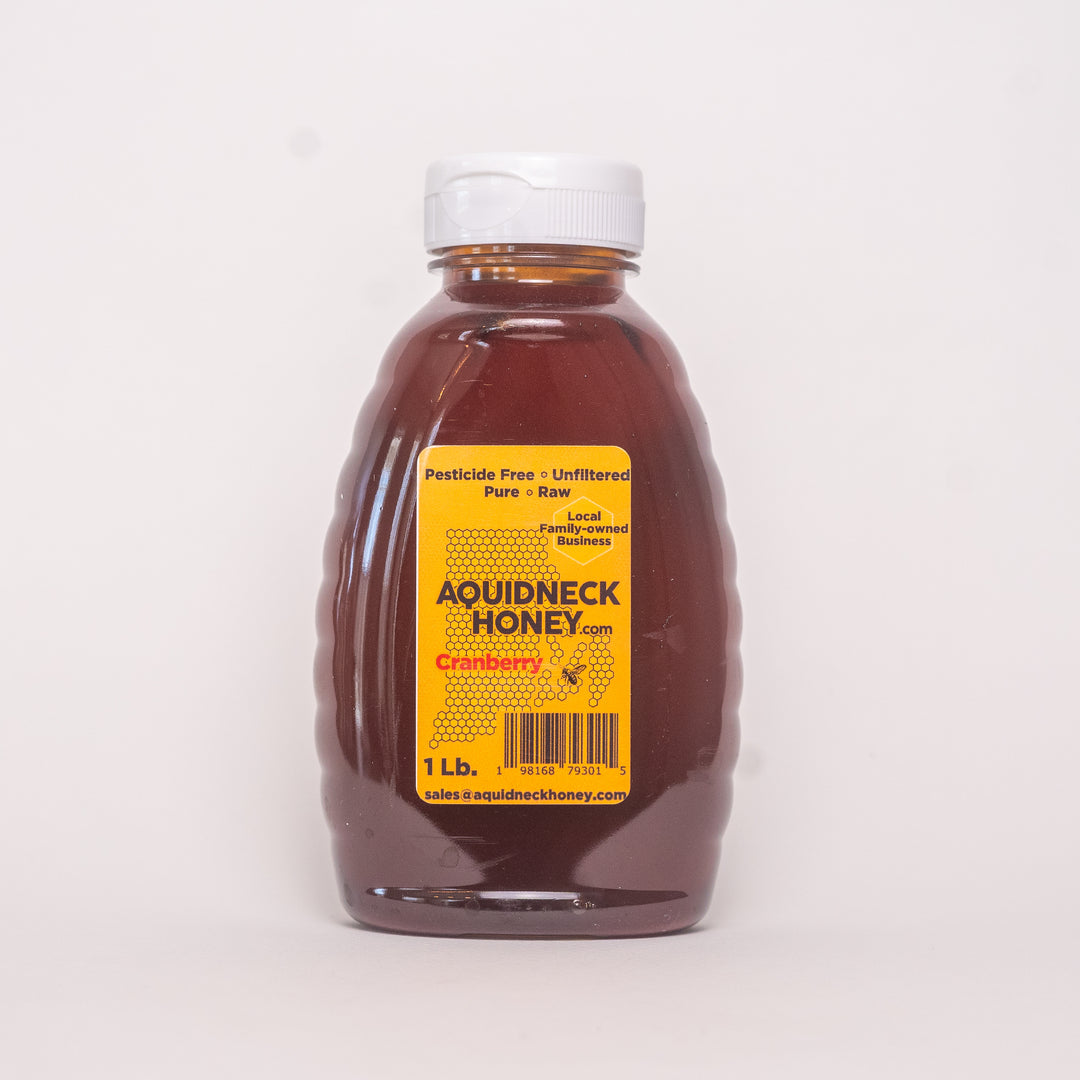

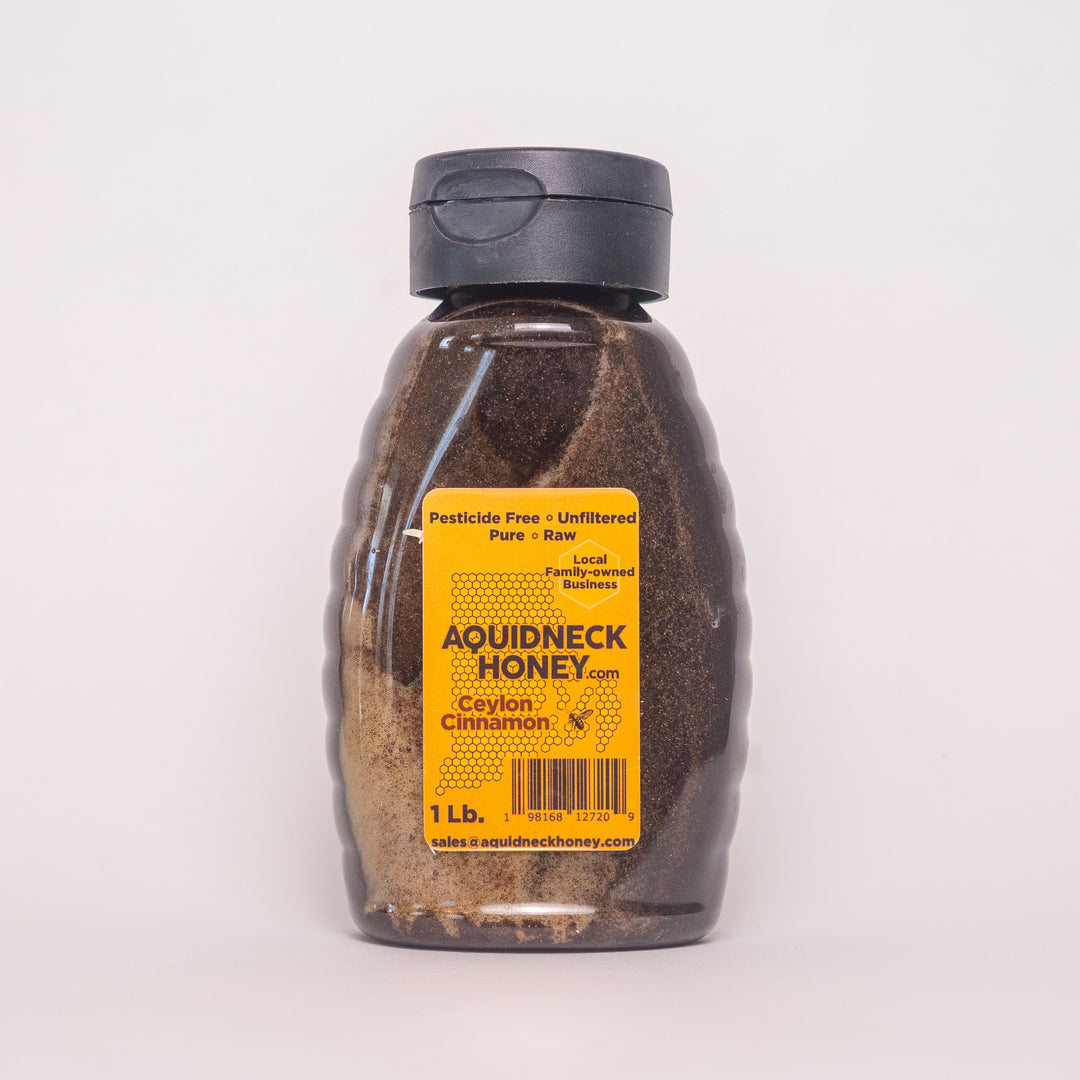
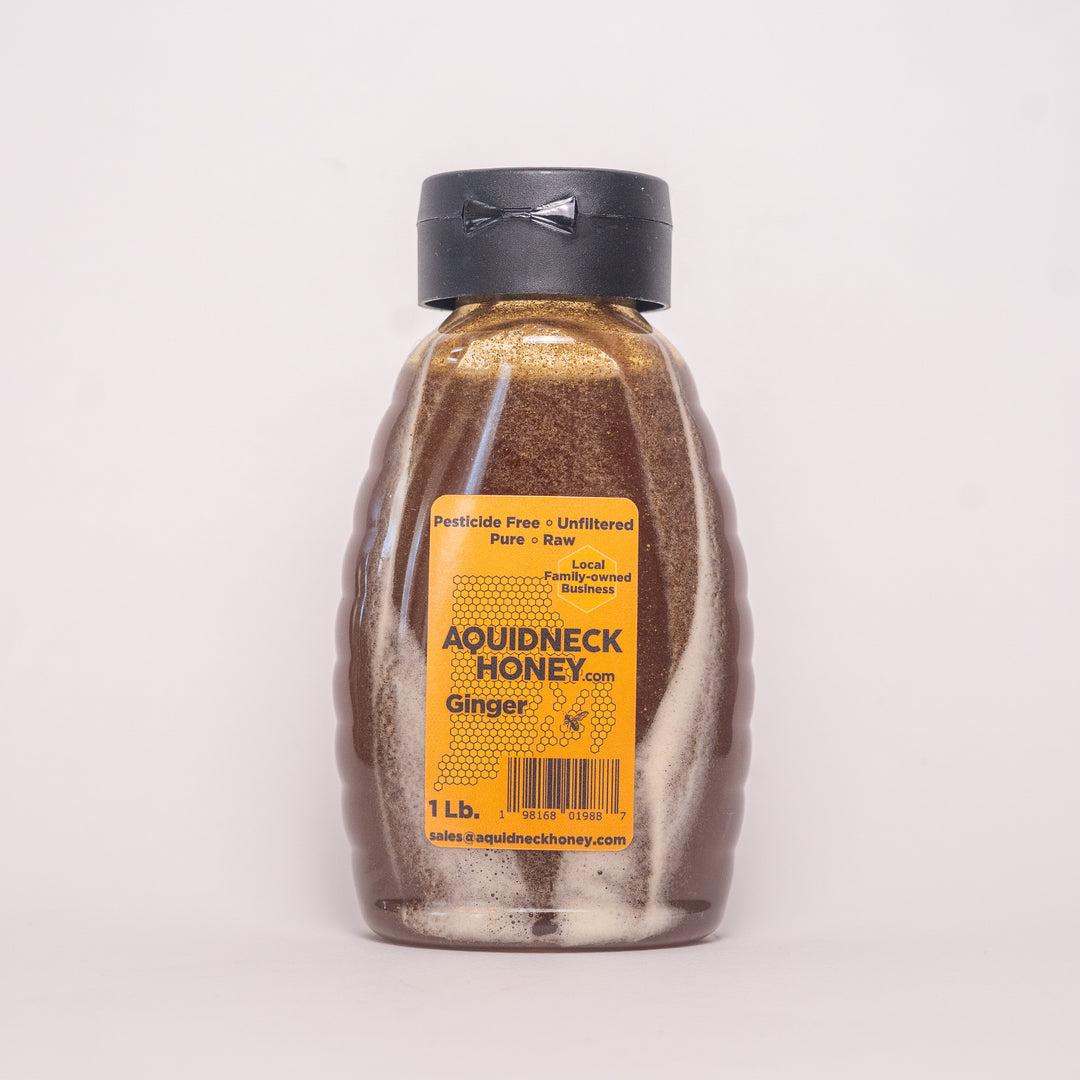
Raw Honey.
Sweet Energy.
Sweet Energy.
honey is just the beginning here.


Honey looks sweet on you


from our hive to yours
For 28 years, Aquidneck Honey has been dedicated to crafting pure, raw, unfiltered honey that celebrates the beauty of nature and the health of happy, thriving bees.
Our promise is simple: to deliver pure honey of the highest quality, free of pesticides and brimming with unique, full-spectrum flavor. By blending honey from New Hampshire, Massachusetts, and Rhode Island, we create a taste experience that’s as diverse and vibrant as New England itself.
Family is at the core of who we are—both in how we run our business and in how we hope to connect with yours. From our family to yours, every jar of Aquidneck Honey is crafted to bring joy to your table, support your health, and create moments of sweetness worth savoring.
Whether you’re enjoying a drizzle over warm toast, stirring it into tea, or using it as a natural remedy, you can trust that Aquidneck Honey is always raw, unfiltered, and harvested with care. We believe that what’s good for the bees is good for us all, and we are committed to sustainable practices that protect the environment and preserve the magic of honey for generations to come.
Thank you for choosing Aquidneck Honey. We’re honored to be part of your family’s story, just as you are now part of ours. Together, let’s celebrate nature’s purest gift, one golden drop at a time.
Catch us in your community
Want to experience Aquidneck Honey up close? Explore our directory of local retail stores and upcoming in-person events to find us near you. Whether you’re visiting a farmers market, attending a community event, or shopping at a nearby store, we’d love to meet you and share the sweetness of our pure, raw honey. Click below to see where you can find us!
Honey Crystalization
Did you know that it is natural for pure, raw honey to crystalize if kept in low temperatures for extended periods of time?
If this happens- DO NOT throw it away. Watch the video below to learn how to de-crystalize your honey and bring it back to its liquid form!
Blog posts
View all


FAQs
Yes. All of our honey is raw, unfiltered, and never heat-treated. We keep it as close to the hive as possible to preserve its natural flavor, enzymes, and goodness.
That’s completely natural. Raw honey crystallizes over time, especially in cooler temperatures. It’s a sign of quality — not spoilage.
To soften it:
Place the jar in warm (not boiling) water and gently stir until smooth. See our blog post for more information.
Raw honey doesn’t expire when stored properly. Keep it sealed at room temperature, and it will last indefinitely.
Orders typically ship within24–48 hours of being placed (excluding weekends and holidays).
We offer a flat-rate shipping fee of $6.95.
Orders over$100 ship free.
We carefully pack every order, but if something arrives damaged, please reach out and we’ll make it right.
Yes — local pickup is available at checkout for customers in our area.